Rare diseases may seem like issues that don’t affect many people, but the reality is quite different. Although each individual rare disease impacts a small number of individuals, collectively, they affect millions of people around the world. Let’s take a closer look at these conditions to better understand them.
What Exactly Are Rare Diseases?
Imagine a puzzle with thousands of unique pieces—this is similar to the concept of rare diseases. Each piece represents a different medical condition, and each one is special and complex. A disease is generally considered rare if it affects a small percentage of the population, although this percentage can vary depending on your location.
Rare diseases can affect anyone, regardless of age, and can impact any part of the body. Some are genetic, meaning they are inherited from family members, while others develop due to various other factors.
Types of Rare Diseases
The wide variety of these conditions complicates categorization, but they can be generally classified according to their underlying causes and the systems they affect.
One major category of diseases includes genetic rare diseases, which are caused by mutations in genes, often inherited from parents. Examples of these diseases include cystic fibrosis, Huntington’s disease, and Duchenne muscular dystrophy. These conditions can affect various organs and systems, resulting in a wide range of symptoms and varying degrees of severity. The genetic nature of these diseases makes them particularly challenging to treat, as they often require targeted gene therapies or other specialized interventions.
A notable category is rare cancers, which occur in relatively small numbers of individuals, making research and treatment development challenging. Examples of these include mesothelioma, certain types of sarcomas, and uncommon forms of leukemia. The rarity of these cancers can impede early diagnosis and access to specialized care, often resulting in poorer outcomes.
Rare autoimmune diseases are a unique category of illnesses that occur when the body’s immune system mistakenly attacks its own healthy tissues. Some examples of these diseases include scleroderma, lupus, and Guillain-Barré syndrome. These conditions can lead to chronic inflammation and damage to various organs, resulting in a wide range of symptoms and complications.
Furthermore, there are rare infectious diseases. Although some infectious diseases are widespread, others are geographically restricted or affect only a small number of people. Examples include certain tropical diseases, such as leishmaniasis and Chagas disease, as well as some rare bacterial and viral infections. These diseases often pose significant challenges in terms of diagnosis, treatment, and prevention, particularly in resource-limited settings.
A diverse group of rare metabolic diseases also exists, which occur when the body cannot properly process certain substances, often due to enzyme deficiencies. Examples of these disorders include Gaucher disease, phenylketonuria (PKU), and Fabry disease. These conditions can lead to the accumulation of toxic substances or the deficiency of essential molecules, resulting in a wide range of health problems.
The Challenges of Rare Diseases
One of the biggest challenges in dealing with rare diseases is obtaining a proper diagnosis. Since these diseases are uncommon, doctors may not recognize the symptoms immediately. This can result in a long and frustrating journey for individuals and their families. Imagine experiencing symptoms without knowing their cause.
Another obstacle is that many rare diseases currently lack cures or even effective treatments. Although research is ongoing, it requires considerable time and resources.
Moreover, the emotional impact cannot be overlooked. Individuals facing rare diseases often feel isolated or misunderstood, as not many people are familiar with their conditions.
The Good News!
Even though these challenges exist, there’s a strong and supportive community out there working hard to raise awareness, fund research, and provide support.
Here’s how we can all make a difference:
- Learn: Take a few minutes to educate yourself about rare diseases. Understanding these conditions is the first step toward making an impact.
- Share: Spread the word! Share this blog post or discuss rare diseases with your friends and family to raise awareness.
- Support: Consider donating to organizations that focus on rare disease research or advocacy. Your contributions can help make a significant difference.
- Be Kind: If you know someone affected by a rare disease, offer your support and understanding. A little kindness goes a long way.
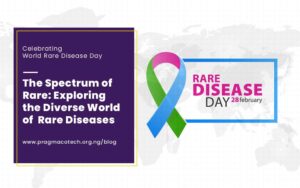
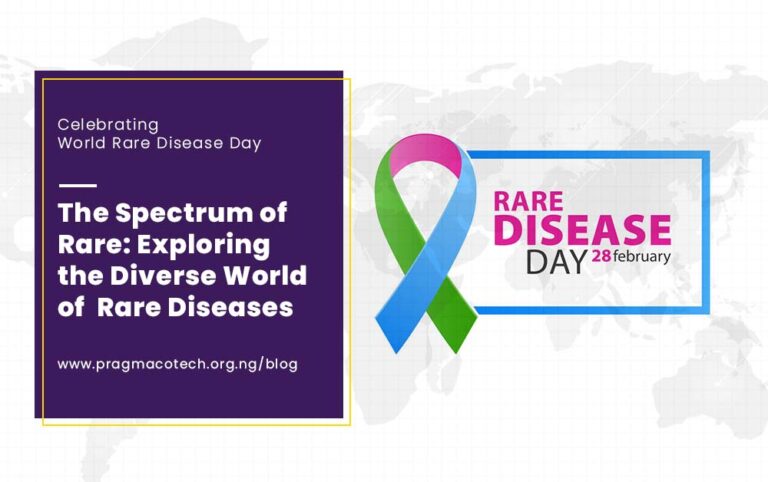
- Remember Rare Disease Day: This day is observed on the last day of February each year and is a perfect opportunity to show your support for individuals living with rare diseases.
You are Not Alone
If you or someone you know is affected by a rare disease, remember that you’re not alone. There is a community of people who care and are committed to making a difference.
Let’s work together to raise awareness about rare diseases and create a world where everyone feels supported and understood.